

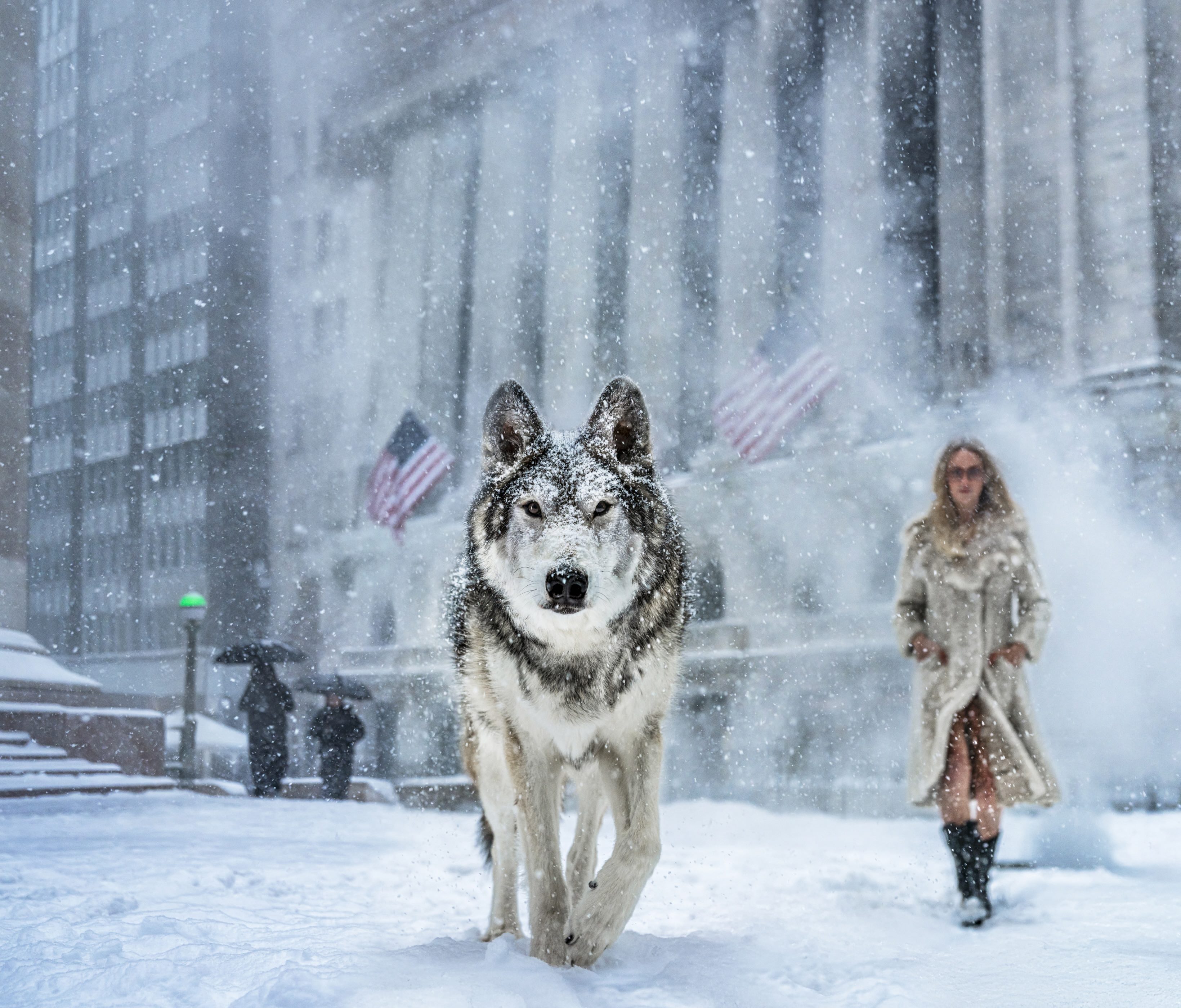
In galleries across the world, large-scale photographs hang alongside paintings and sculptures, at times, occupying entire walls and, almost always, capturing the attention of collectors. These photographs depict scenes that appear to capture a single moment, yet are often the result of careful planning, artistic direction, and composition. At Carousel Fine Art, one hangs of a wolf and a woman walk through a snowy New York street. Every detail has been considered. This is the work of David Yarrow, titled Wall Street Stories.
Today, fine art photography is collected, exhibited in major museums, and sold at prestigious auction houses around the world. In 2022, a single photograph sold for more than $12.4 million, demonstrating just how far the medium has come.
Yet for much of its history, photography was not considered an art form at all. Instead, it was regarded as a mechanical process, valued for its ability to document reality rather than express an artist's creative vision.
But where did this shift in perception begin?
Fine Art Photography: From Mechanical Record to Masterpiece
Unlike commercial or documentary photography, fine art photography is created to express the photographer's artistic vision, with works intended for exhibition and collection.
So how did a medium once dismissed as mechanical become one of the most recognized forms of contemporary art?
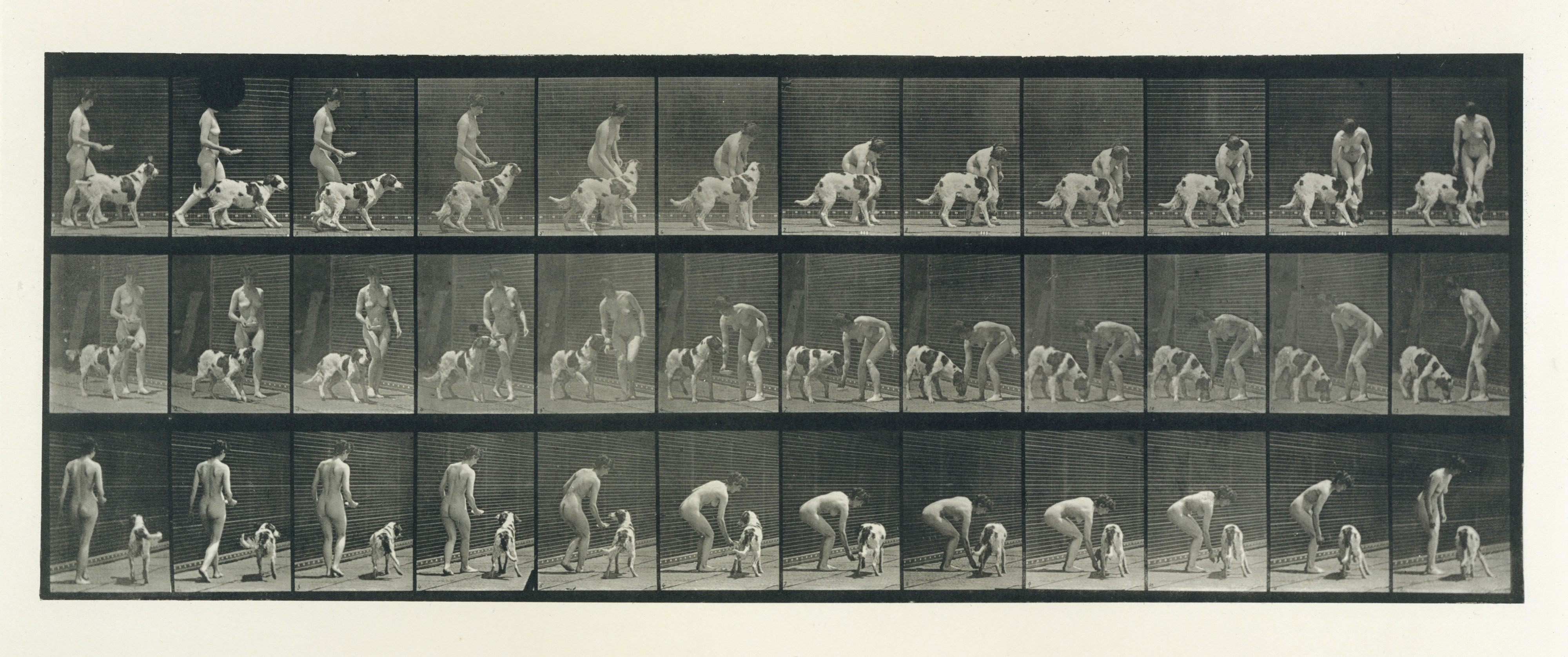
The answer lies in the photographers who challenged these perceptions and demonstrated that the camera could be more than a tool for documentation. Artists such as Alfred Stieglitz, Ansel Adams, and Cindy Sherman played pivotal roles in changing attitudes toward photography, proving that artistic vision, composition, and creative interpretation could transform a photograph into a work of fine art.
The Birth of Photography: Louis Daguerre and William Henry Fox Talbot in 1839
The origins of modern photography can be traced to January 1839, when Louis Daguerre presented his photographic process in Paris. Within weeks, William Henry Fox Talbot introduced his own photographic method in England.
While Daguerre's process produced a single, highly detailed image on a metal plate, Talbot developed a paper-negative process that allowed photographs to be reproduced multiple times. This innovation would eventually lay the foundation for photographic editions, an important aspect of fine art photography collecting today.
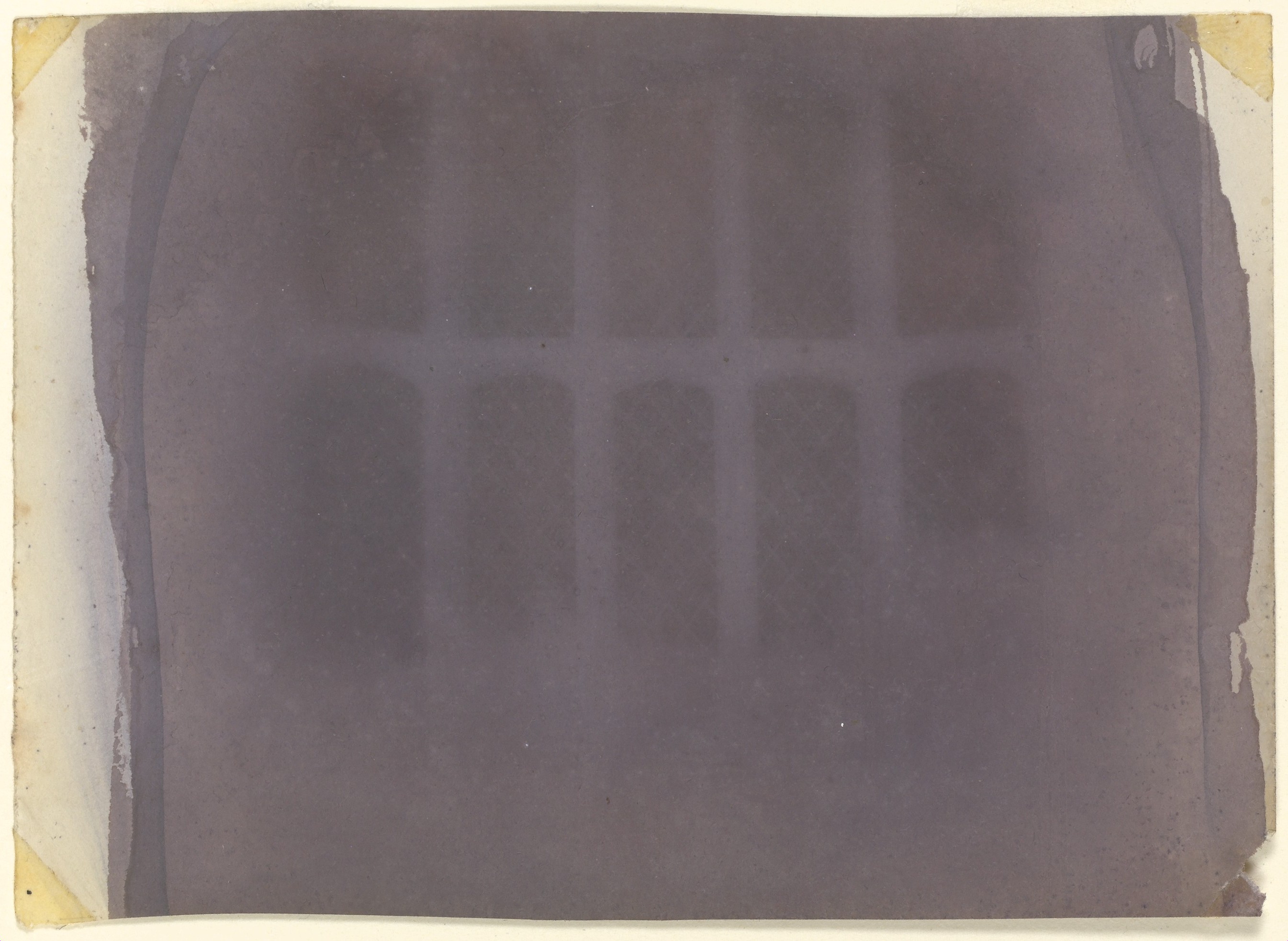
As the medium developed, painters were among the first to recognize its creative potential. In 1843, Scottish painter David Octavius Hill and photographer Robert Adamson opened a photographic studio in Edinburgh. Hill initially turned to photography to document the faces of hundreds of individuals for a large-scale painting. However, their collaboration soon demonstrated that photographs could possess artistic qualities beyond their practical purpose.
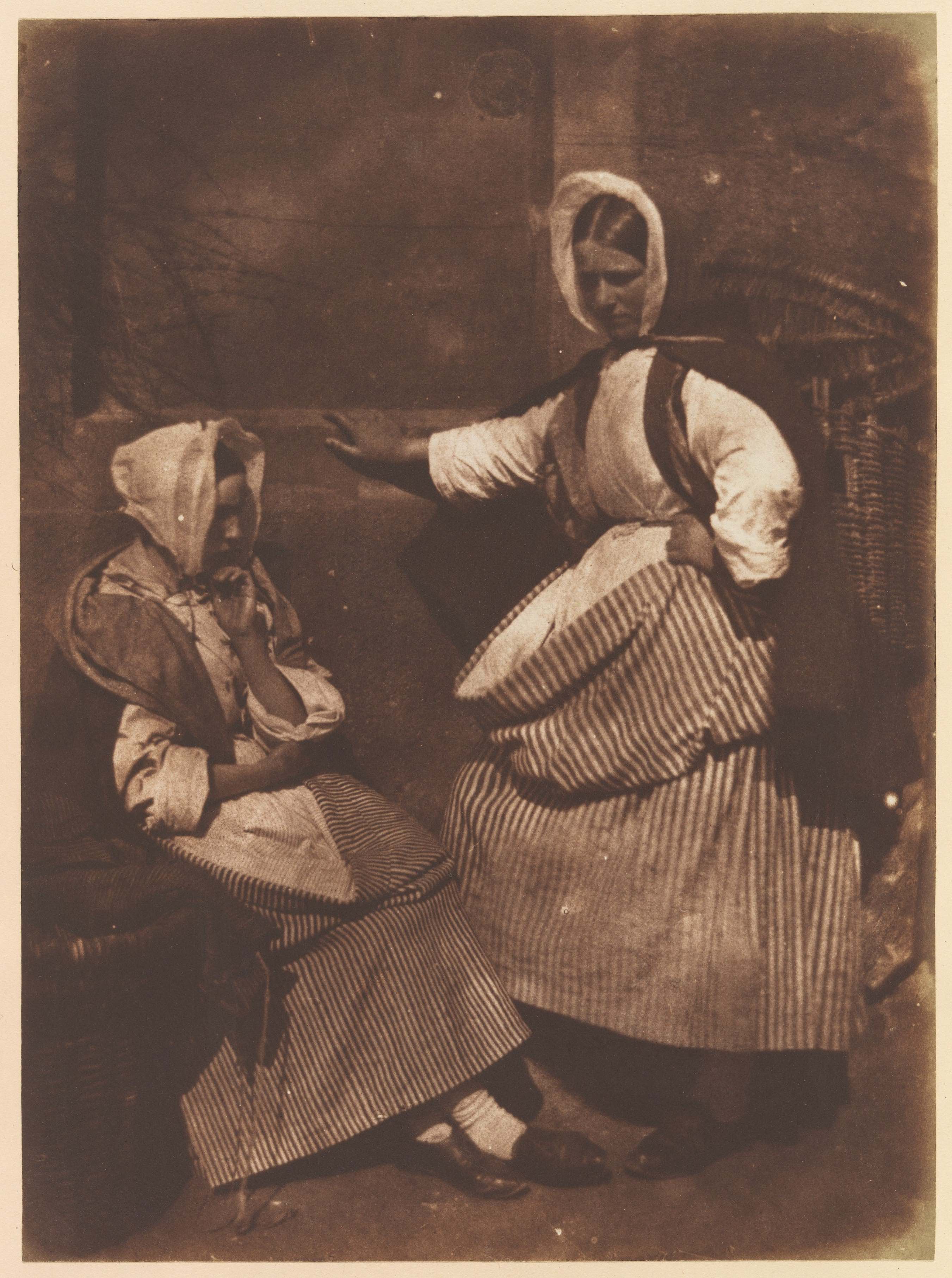
Their calotype portraits, which Britannica describes as the first aesthetically satisfying use of Talbot's process, helped establish photography as a medium capable of artistic expression.
Staging the Scene: Henry Peach Robinson and Victorian Art Photography
In 1858, English photographer Henry Peach Robinson exhibited Fading Away, an image depicting a young girl on her deathbed surrounded by grieving family members.
Although the scene appeared to capture a deeply personal moment, it was entirely staged. Robinson arranged models and combined five separate photographic negatives into one composition, using a technique known as combination printing.
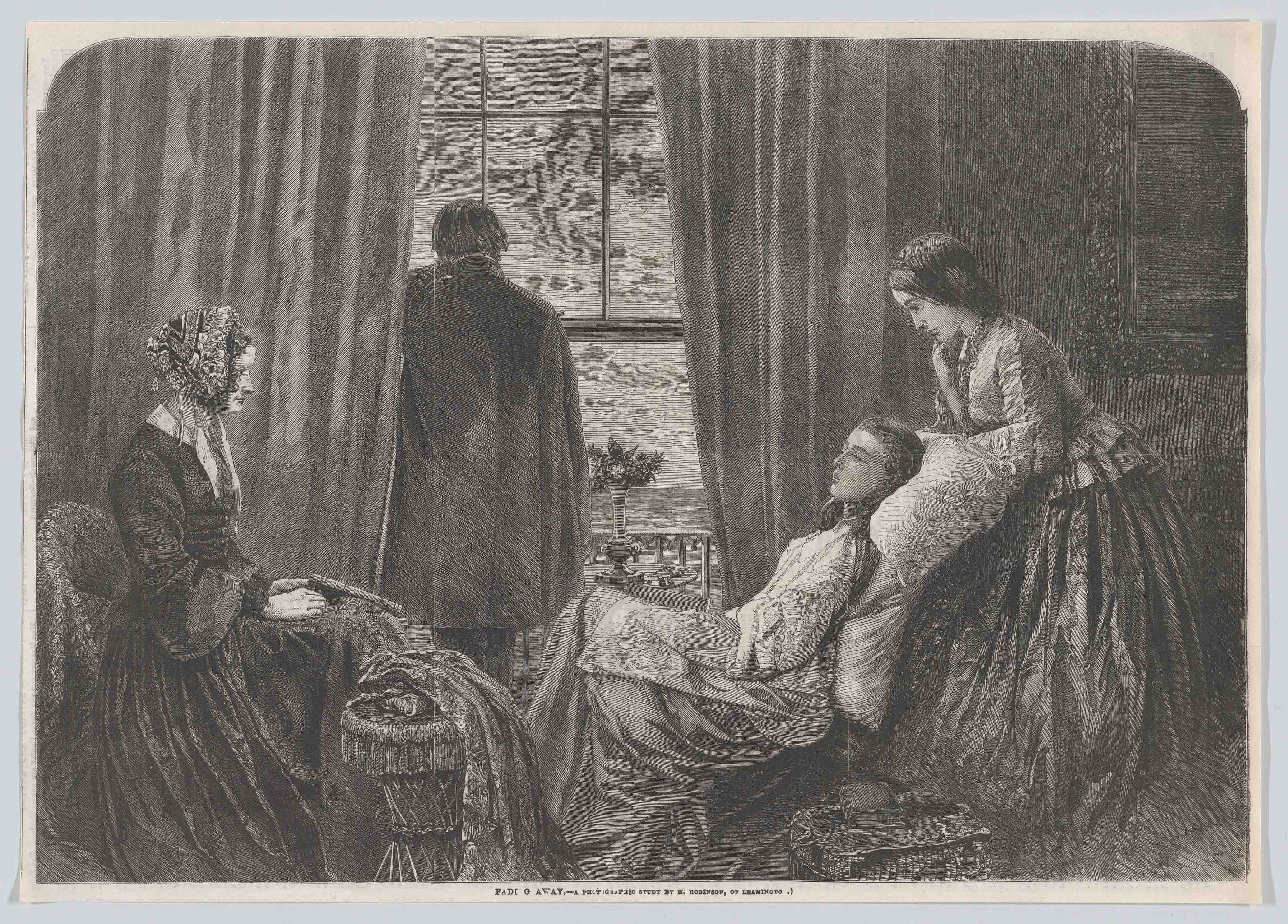
The photograph sparked considerable controversy. Some viewers objected to the portrayal of such a private moment, while others questioned whether a photograph could be considered truthful when its subjects and composition had been deliberately constructed.
Despite the criticism, Robinson's work gained the attention of Prince Albert, who purchased a print of Fading Away and subsequently placed a standing order for Robinson's major composite photographs.
The debate surrounding staged photography continued. In 1886, photographer Peter Henry Emerson publicly opposed Robinson's methods, arguing that photographs should not be altered after exposure and rejecting the use of costumed models and painted backgrounds.
These opposing approaches introduced a debate that would continue to shape fine art photography for more than a century: should photography represent reality as it exists, or can an artist manipulate reality to create something entirely new?
The Rise of Pictorialism: Alfred Stieglitz and the Photo-Secession
By the 1890s, photographers seeking recognition within the traditional art world began developing techniques that gave photographs qualities associated with painting.
This movement, known as Pictorialism, emphasized soft focus, carefully composed scenes, and hand-worked photographic prints. Rather than simply documenting their subjects, Pictorialist photographers sought to create images that reflected their artistic interpretations.
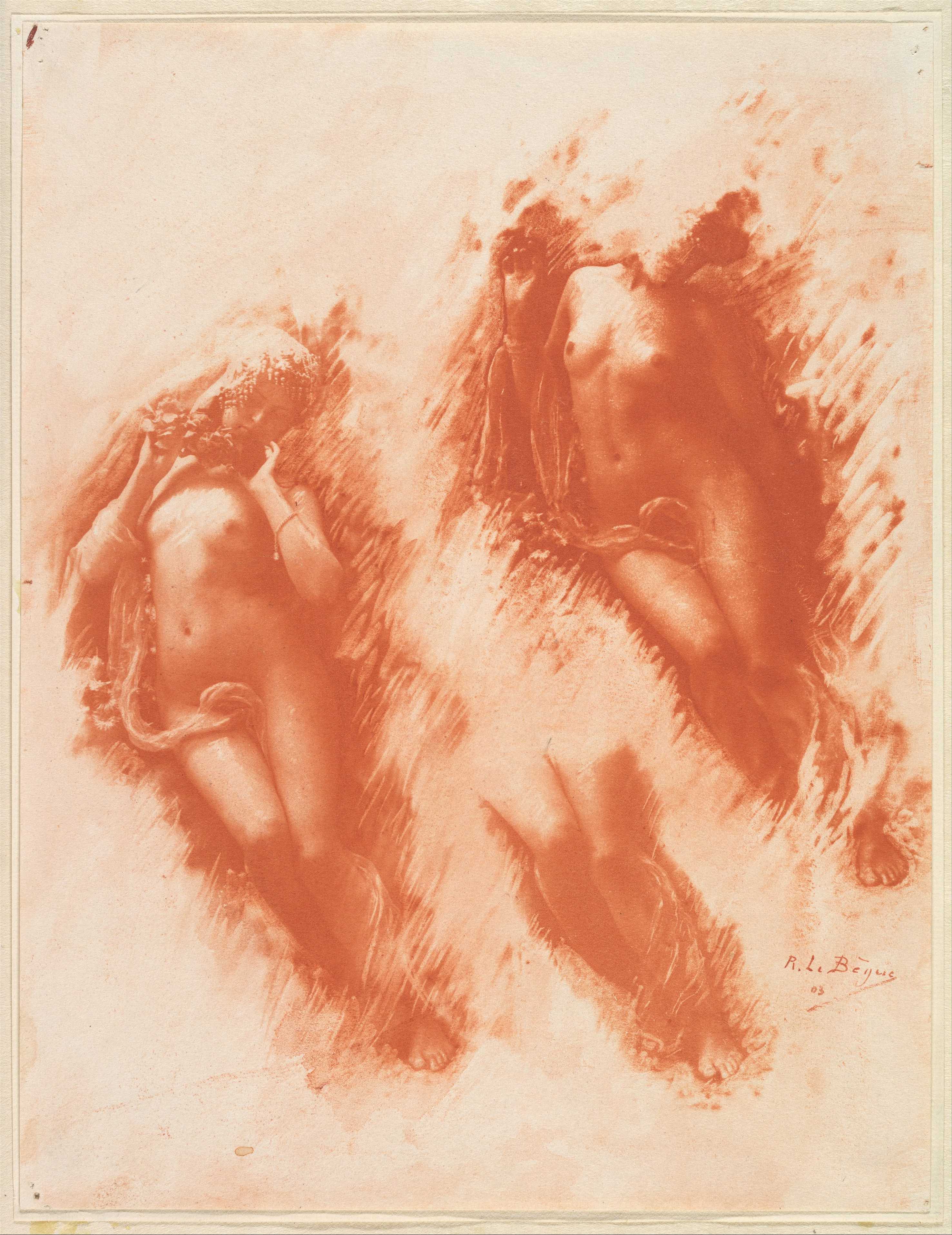
In 1892, Henry Peach Robinson became a founding member of the Linked Ring, an English society dedicated to promoting photography as fine art.
Across the Atlantic, American photographer Alfred Stieglitz would become one of the movement's most influential advocates. In 1902, Stieglitz founded the Photo-Secession in New York, an invitation-only group that included photographers Edward Steichen, Gertrude Käsebier, Alvin Langdon Coburn, and Clarence H. White. The group's mission was to establish photography as an art form worthy of the same recognition as painting and sculpture.
Between 1903 and 1917, Stieglitz published fifty issues of Camera Work, a photography journal featuring exceptionally detailed gravure reproductions that closely resembled original photographic prints.
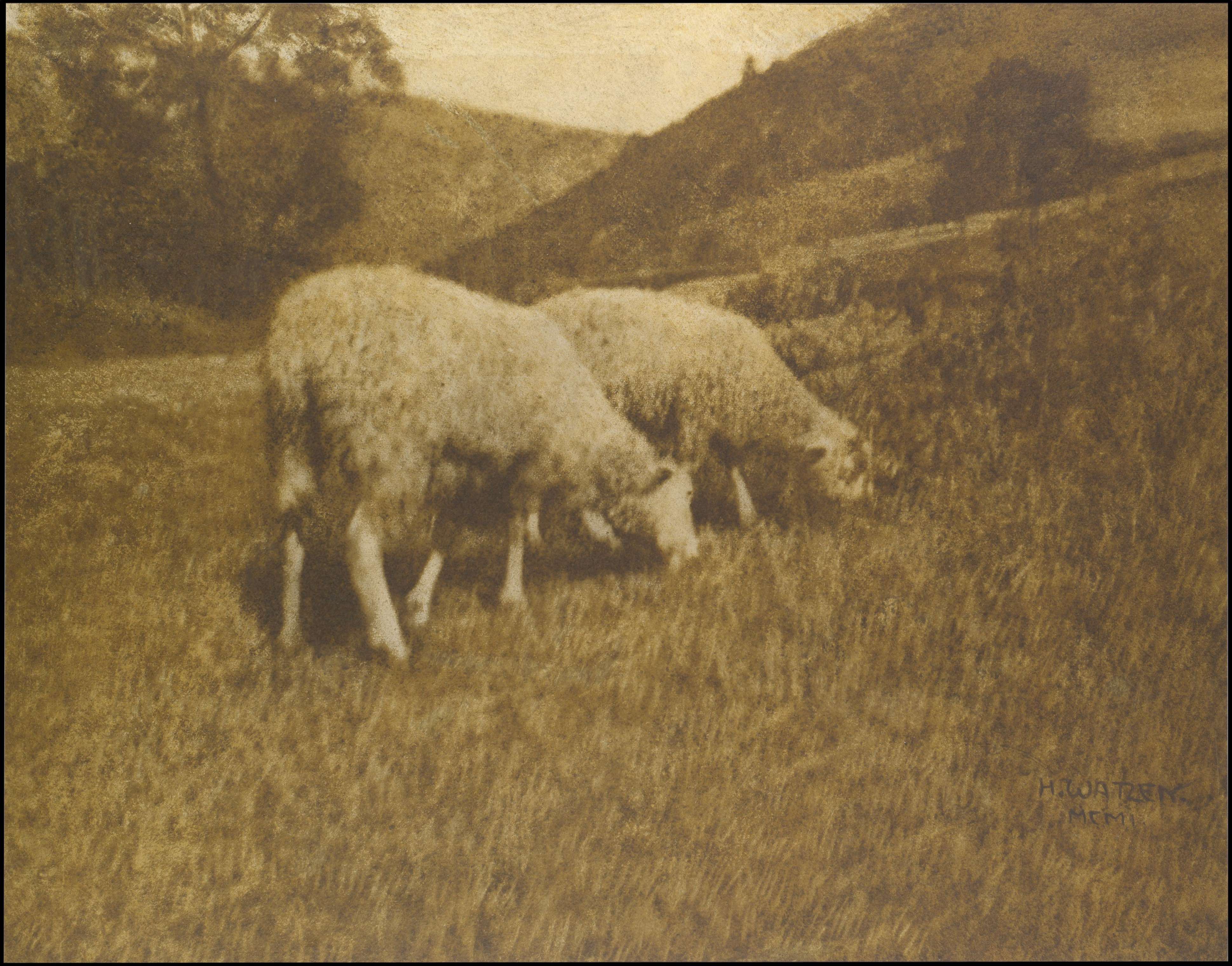
In 1905, the Photo-Secession opened the Little Galleries of the Photo-Secession at 291 Fifth Avenue in New York. The gallery would eventually showcase modern painting and sculpture alongside photography, helping bridge the divide between the medium and traditional fine art institutions.
In 1904, Edward Steichen photographed New York's Flatiron Building, creating one of the defining images of the Pictorialist movement. In November 2022, a 1905 print of The Flatiron sold at Christie's for $11.84 million, significantly exceeding its $2 million to $3 million estimate.
Straight Photography: Ansel Adams, Paul Strand, and Group f/64
Rather than imitating painting through soft focus and manipulated prints, a new generation of photographers believed the medium should embrace its ability to capture extraordinary detail and clarity. Even Alfred Stieglitz, who had championed Pictorialism, eventually adopted this perspective.
The final two issues of Camera Work were dedicated to Paul Strand, whose sharply focused, direct compositions helped define an approach known as straight photography.
Unlike Pictorialism, straight photography emphasized the creative decisions made before the photograph was taken, including composition, perspective, and exposure, with little or no manipulation afterward.

On November 15, 1932, eleven photographers, including Ansel Adams, Edward Weston, and Imogen Cunningham, introduced Group f/64 at the M. H. de Young Memorial Museum in San Francisco. The group's name referenced the small f/64 aperture setting on a large-format camera, which allows an image to remain sharply focused from foreground to background.
Artists such as Adams and Weston demonstrated the artistic possibilities of this approach through highly detailed photographs of landscapes and natural forms. Adams became widely recognized for his photographs of Yosemite, while Weston explored the shapes and textures of shells, vegetables, and sand dunes.
Photography Enters the Museum: MoMA's Department of Photography in 1940
The growing recognition of photography reached an important milestone in December 1940, when the Museum of Modern Art in New York established its Department of Photography. It was the first department dedicated to photography at a major American art museum, signaling an important shift in how traditional art institutions viewed the medium.
Beaumont Newhall, an art historian who also served as the museum's librarian, was appointed the department's first curator. Ansel Adams also played a role in its establishment, encouraging MoMA trustee David McAlpin to support the initiative and helping curate the department's inaugural exhibition, Sixty Photographs.
Despite this institutional recognition, photography's acceptance as fine art was not immediate. Some critics accused the museum of turning a popular medium into something elitist.
Rejection in the 1970s: William Eggleston and Color Photography
For decades, black-and-white photography had dominated the fine art world, particularly through the work of artists such as Ansel Adams and Edward Weston. In May 1976, MoMA curator John Szarkowski presented William Eggleston's Guide, an exhibition featuring color photographs of ordinary American life.
Eggleston's subjects included gas stations, tricycles, and everyday interiors throughout the American South. Rather than photographing dramatic landscapes or carefully staged scenes, he turned his attention to seemingly unremarkable moments. The exhibition received considerable criticism. Many critics dismissed the photographs as ordinary snapshots, questioning their place within a major art museum.
Szarkowski defended Eggleston's approach in the accompanying publication, which became MoMA's first book dedicated to color photography.
Although the exhibition is frequently described as MoMA's first solo exhibition of color photography, the museum had previously presented solo exhibitions by Eliot Porter in 1943 and Ernst Haas in 1962. What distinguished Eggleston's exhibition was its influence on the perception of color photography as serious contemporary art.

In March 2025, Phillips sold a large dye-transfer print of Eggleston's Memphis (Tricycle) for $508,000, establishing a record for a dye-transfer print by the artist. The same sale also established Eggleston's overall auction record, with his complete Los Alamos portfolio of 101 prints selling for $1,875,000.
Shifts in the 1980s and 1990s: Cindy Sherman and the Düsseldorf School
In New York, Cindy Sherman challenged traditional ideas of portraiture through her Untitled Film Stills series, created between 1977 and 1980. Comprising sixty-nine black-and-white photographs, the series depicts Sherman portraying different female characters inspired by imagined films. Rather than documenting real people or events, Sherman used herself as the subject to explore identity, femininity, and the influence of popular culture.
Her work initially entered the art market at relatively modest prices. In the early 1980s, collector Eli Broad acquired approximately twenty photographs from the series for between $100 and $500 each. In 1995, MoMA acquired the complete Untitled Film Stills series, marking an important moment in Sherman's career and contributing to the transformation of her market.
Meanwhile, in Germany, another influential photographic movement was emerging. Beginning in 1959, photographers Bernd and Hilla Becher developed an extensive body of work documenting industrial structures, including water towers, cooling towers, and factories. In 1976, Bernd Becher began teaching photography at the Kunstakademie Düsseldorf, where his students included Thomas Struth, Thomas Ruff, Candida Höfer, and Andreas Gursky.
These photographers would become associated with the Düsseldorf School, a movement recognized for its large-scale photographic works and distinctive approach to composition.

Thomas Ruff was the first among these students to experiment with color photography and enlarge his prints to the scale traditionally associated with painting. Others soon followed, transforming the physical presence of photography within galleries and museums. Andreas Gursky became particularly influential for his monumental photographic compositions. His 1999 work Rhein II shows a stretch of the Rhine near Düsseldorf, simplified into bands of water, grass and sky. In November 2011, Rhein II sold at Christie's for $4,338,500, establishing a world auction record for photography at the time.
Record Sales: The Most Expensive Photographs Ever Sold and the Rise of Photography Fairs
In 1980, the Association of International Photography Art Dealers (AIPAD) organized its first photography fair in New York, bringing together 39 exhibitors. Paris Photo followed in 1997, establishing another important platform dedicated to photographic art. Today, the fair attracts approximately 60,000 visitors each November.

In May 2022, Man Ray's Le Violon d'Ingres (1924), depicting a nude female figure with violin f-holes on her back, sold at Christie's New York for $12,412,500. The sale established a new world auction record for a photograph. Six months later, Edward Steichen's The Flatiron sold for $11.84 million, becoming the second most expensive photograph ever sold at auction. While a private sale of Peter Lik's Phantom was reported at $6.5 million in 2014, that transaction has never been independently verified.
Fine Art Photography in 2026
In 2026, William Eggleston's landmark exhibition William Eggleston's Guide marks its 50th anniversary, offering an opportunity to reflect on the profound changes in how photography is perceived and collected.
What began as a scientific innovation in 1839 has evolved into an important form of contemporary artistic expression, blurring the boundaries between reality, interpretation, and creative vision.
Much like the evolution of street art, photography's journey from rejection to recognition demonstrates how artistic innovation can challenge traditional definitions of fine art.
Fine Art Photography Timeline: Key Dates
|
Year |
Milestone |
|
1839 |
Louis Daguerre and William Henry Fox Talbot announce their photographic processes in Paris and England. |
|
1843 |
David Octavius Hill and Robert Adamson open their calotype studio in Edinburgh. |
|
1858 |
Henry Peach Robinson exhibits Fading Away, created using five photographic negatives. |
|
1902 |
Alfred Stieglitz founds the Photo-Secession in New York. |
|
1905 |
The Little Galleries of the Photo-Secession open at 291 Fifth Avenue. |
|
1932 |
Group f/64 makes its debut at the de Young Museum in San Francisco. |
|
1940 |
MoMA establishes the first photography department at a major American art museum. |
|
1976 |
William Eggleston's Guide opens at MoMA; Bernd Becher begins teaching in Düsseldorf. |
|
1977–1980 |
Cindy Sherman creates her Untitled Film Stills series. |
|
1980 |
AIPAD organizes its first major photography art fair in New York. |
|
1997 |
Paris Photo launches. |
|
2011 |
Andreas Gursky's Rhein II sells for $4,338,500 at Christie's. |
|
2022 |
Man Ray's Le Violon d'Ingres sets the photography auction record at $12,412,500. |
Explore Carousel Fine Art's Photographers
At Carousel Fine Art, we represent contemporary photographers whose work reflects the evolution of the medium and its place within the fine art world. From carefully staged compositions to monumental photographic prints, artists such as David Yarrow and David Drebin continue to explore the creative possibilities of photography.
British Fine Art Photographer David Yarrow
Much like Henry Peach Robinson's staged compositions of the 19th century, British photographer David Yarrow approaches photography with a carefully considered artistic vision.
Born in Glasgow in 1966, Yarrow began his career in photography at an early age. At just 20 years old, he was commissioned by The Times to photograph the 1986 World Cup Final in Mexico City, where he captured Diego Maradona holding the trophy.
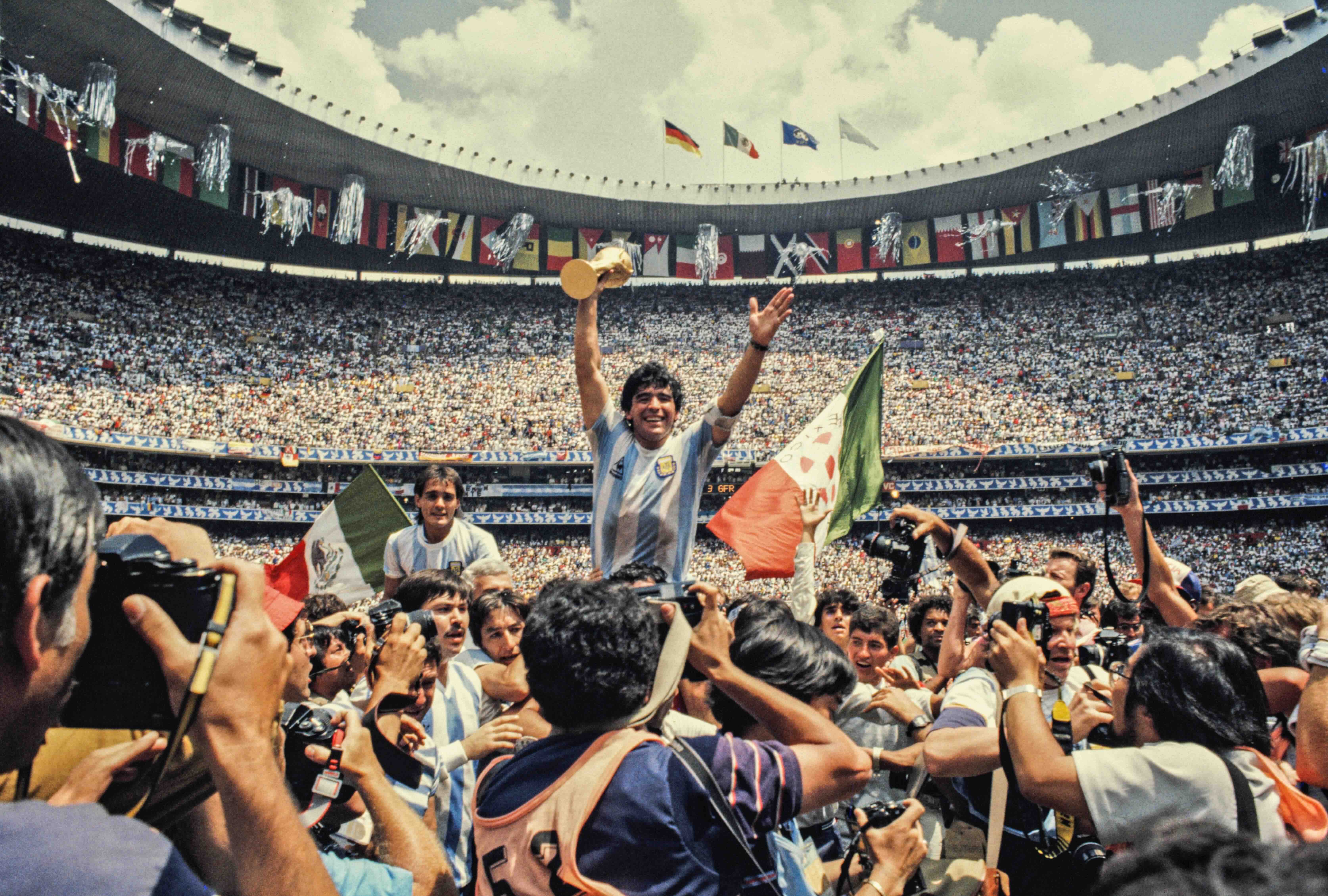
Following a career in finance, Yarrow returned to photography, developing a distinctive style recognized for its monumental black-and-white compositions. His work explores wildlife, remote cultures, and carefully constructed narrative scenes, often blending documentary influences with cinematic storytelling.
In his Wall Street series, for example, Yarrow stages elaborate scenes featuring wolves in New York City, creating images that challenge the boundaries between reality and fiction.
In May 2017, his photograph Mankind, depicting a herd of cattle in South Sudan, sold at Sotheby's London for £60,000 (approximately $75,000), three times its high estimate. Beyond his artistic career, Yarrow serves as an ambassador for conservation organizations WildArk and the Kevin Richardson Foundation.
Carousel Fine Art represents David Yarrow in Miami, Atlanta, and Nashville.
Learn More About David Yarrow
David Drebin and Cinematic Photography
Much like the Pictorialist photographers who sought to give photography the expressive qualities of painting, contemporary artist David Drebin creates images that blur the boundaries between photography and cinema.

Born in Toronto in 1970 and based in New York City, Drebin graduated from Parsons School of Design in 1996. He began his career photographing movie stars, athletes, and entertainers before establishing himself as a fine art photographer.
His artistic career gained momentum following a solo exhibition at Camera Work in Berlin in 2005, a gallery that shares its name with Alfred Stieglitz's influential photography journal.
Drebin's photographs are recognized for their cinematic compositions, dramatic atmosphere, and psychological narratives. Often exploring themes of solitude, femininity, and the femme fatale, his work combines a voyeuristic perspective with carefully constructed scenes that suggest stories unfolding beyond the frame. While photography remains central to his practice, Drebin has expanded his artistic approach to include lightboxes, neon installations, and diamond dust editions.
He has published a series of books, beginning with his 2007 monograph Love and Other Stories, followed by teNeues titles including The Morning After and Dreamscapes. In November 2024, Carousel Fine Art presented Drebin's exhibition "Dare to Dream" in Atlanta.
Learn More About David Drebin
Frequently Asked Questions About Fine Art Photography
What is fine art photography? Fine art photography is photography created to express the photographer's vision and made for exhibition and collection, not for a client, a news story or an advertisement. It is usually sold as signed, limited-edition prints. What separates it from commercial work is intent: the photograph exists as an artwork in its own right.
When did photography become accepted as an art form? There is no single date, but 1940 is the clearest turning point. That year, the Museum of Modern Art in New York created the first photography department at a major American art museum. Alfred Stieglitz's Photo-Secession had argued the case since 1902, and color photography won its own acceptance after William Eggleston's 1976 MoMA exhibition.
Who is considered the father of fine art photography? Alfred Stieglitz is most often credited. He founded the Photo-Secession in 1902, published the journal Camera Work from 1903 to 1917 and ran the 291 gallery in New York, where photographs were shown alongside modern painting and sculpture. Earlier pioneers include Henry Peach Robinson in England and the Scottish duo Hill and Adamson.
What is the difference between Pictorialism and straight photography? Pictorialism made photographs look like paintings, using soft focus, staged scenes and hand-worked prints. Straight photography rejected those effects. Its photographers, including Paul Strand, Ansel Adams and Edward Weston, did their creative work through composition and exposure, then printed sharp images with little or no manipulation.
What was Group f/64? Group f/64 was a circle of eleven California photographers, including Ansel Adams, Edward Weston and Imogen Cunningham, who debuted at San Francisco's de Young Museum on November 15, 1932. The name refers to a small camera aperture that keeps an image sharp from front to back. They championed straight, highly detailed photography.
Why was William Eggleston's 1976 MoMA exhibition important? William Eggleston's Guide convinced the art world that color photography could be serious art. Critics at first dismissed its pictures of gas stations and tricycles as snapshots. It is often called MoMA's first color photography show, but it was actually the museum's first book on color photography. MoMA had already shown color work by Eliot Porter in 1943 and Ernst Haas in 1962.
What is the Düsseldorf School of Photography? The Düsseldorf School is the group of photographers who studied with Bernd and Hilla Becher at the Kunstakademie Düsseldorf, starting in 1976. Its best-known members, Andreas Gursky, Thomas Struth, Thomas Ruff and Candida Höfer, are known for large-scale color prints that hang at the size of paintings.
What is the most expensive photograph ever sold? Man Ray's Le Violon d'Ingres (1924) is the most expensive photograph ever sold at auction. It brought $12,412,500 at Christie's New York on May 14, 2022. Edward Steichen's The Flatiron is second at $11.84 million. A reported $6.5 million private sale of Peter Lik's Phantom has never been verified.
How do I start collecting fine art photography? Start with work you want to live with, then ask four questions about any print: how large the edition is, when the print was made, whether it is signed by the artist and what its provenance is. Two prints of the same image can differ greatly in value because of those details. A reputable gallery should answer all four in writing.
Where can I see and buy fine art photography in Miami, Atlanta or Nashville? Carousel Fine Art represents photographer David Yarrow at its Miami, Atlanta and Nashville galleries and has exhibited David Drebin in Atlanta. Large-format works can be viewed in person, and private viewings are available on request at each location.

