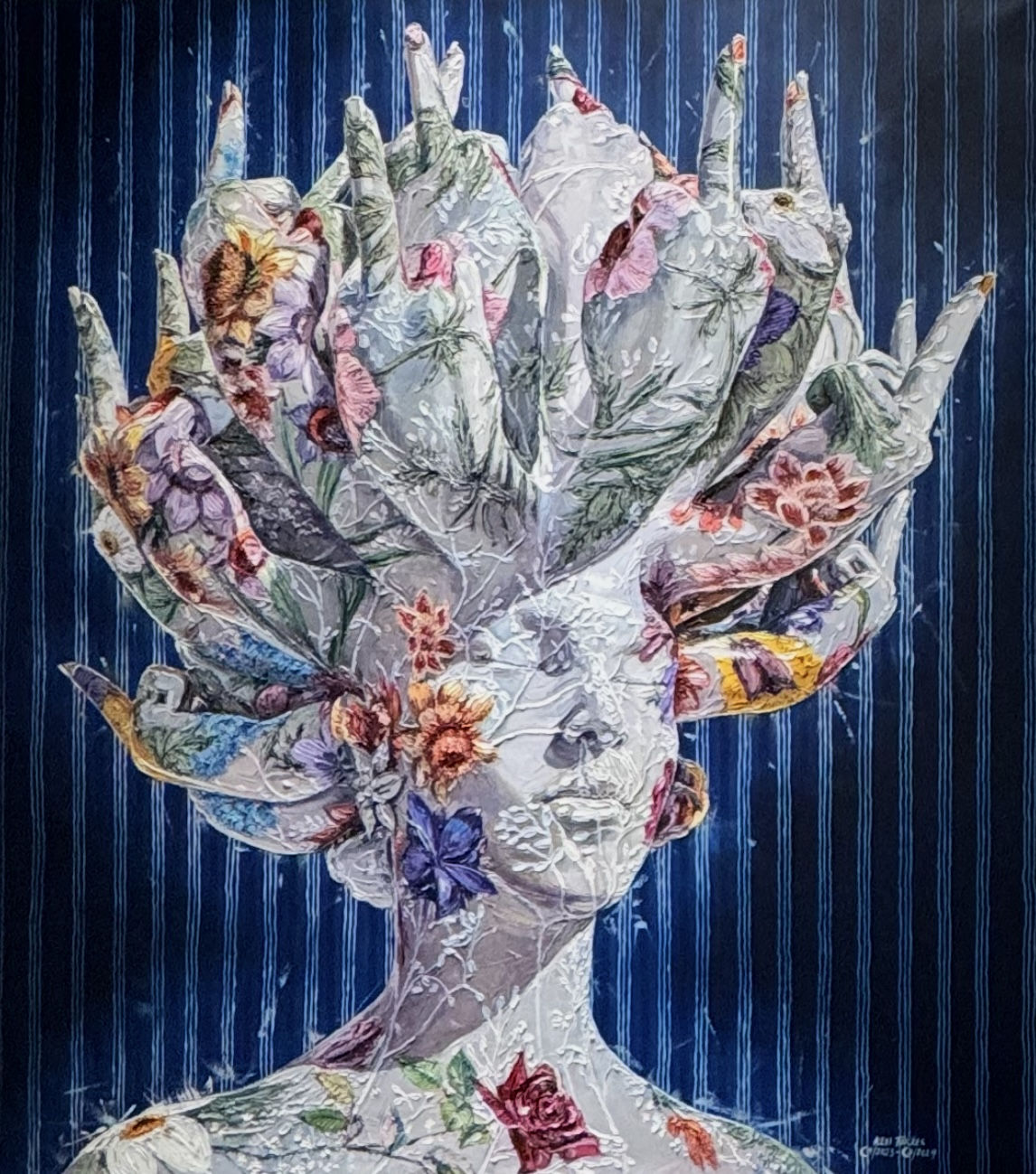
Some artworks ask you to look. Unbrainwashable asks you to wake up.
In this series by Cuban artist, Alexi Torres, familiar symbols, portraits, and cultural markers are reassembled into something subtly destabilizing — a mirror that reflects not what we see, but how we think. The works invite a pause, a recalibration, a small inner tug toward independent thought. In an age when information is constant and persuasion is ambient, that invitation feels almost radical.
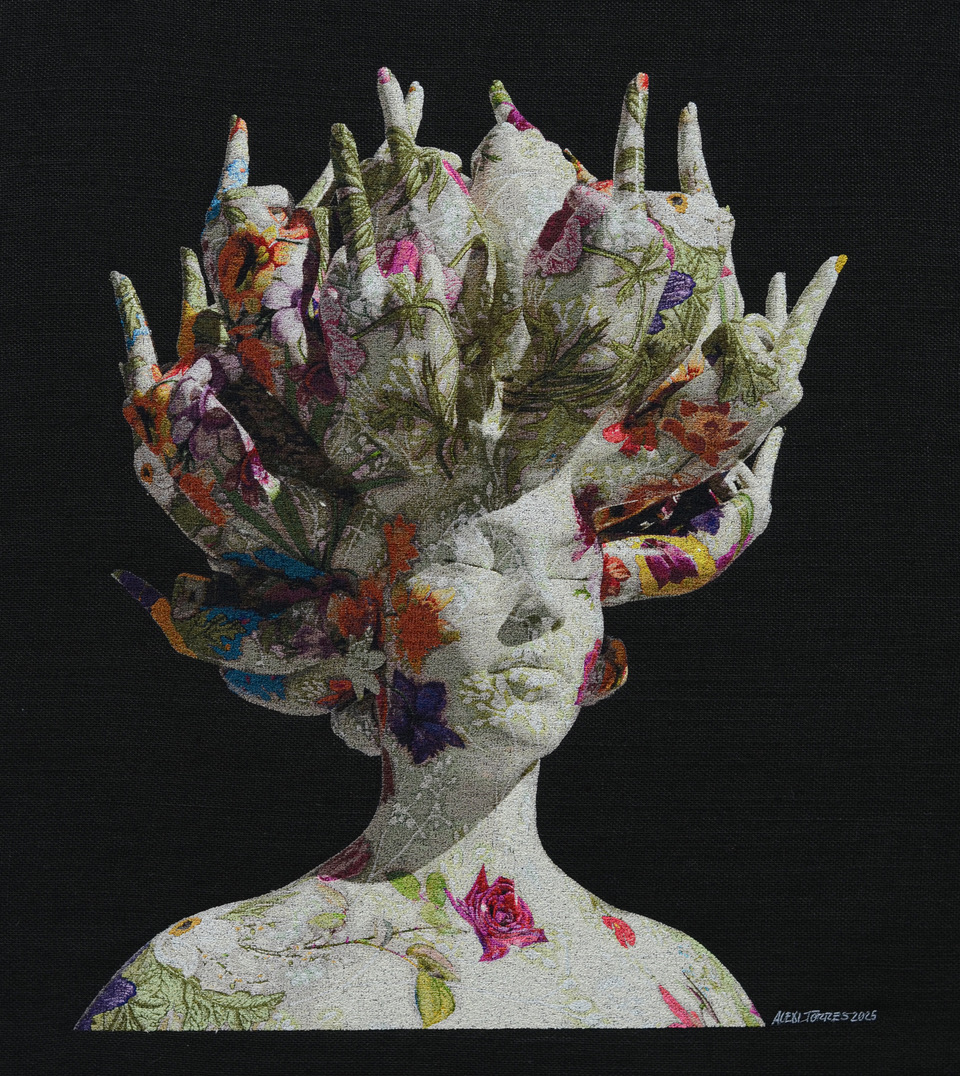
At first glance, the images appear meticulously woven — threads, braids, lattices of color and form. This textile-like approach becomes a metaphor for the construction of belief itself: our assumptions, habits, values, and inherited narratives layered one strand at a time. The result is a surface that feels both decorative and disquieting, a reminder that beauty can carry sharp edges when paired with intent.
As a whole, the series becomes a focused meditation on awareness. Unbrainwashable does not preach, correct, or accuse; rather, it opens a quiet psychological doorway and asks the viewer to step through. In a world that rewards reaction over reflection, this body of work suggests that clarity is not something granted to us — it is something we must actively build.
Q&A: The Psychological Imprint of Unbrainwashable
Q: Why does the woven visual language feel so psychologically potent?
A: Because the brain naturally seeks patterns. When imagery looks woven, the mind instinctively interprets it as something assembled — which subtly prompts viewers to consider what else in their lives has been assembled for them: opinions, beliefs, biases. The aesthetic becomes an entry point into self-examination.
Q: What emotional response does the series aim to trigger first?
A: Curiosity. Not shock, not confrontation — curiosity. The viewer senses something familiar yet altered, and that slight internal friction encourages deeper inspection. Curiosity is psychologically powerful because it lowers defensiveness and opens cognitive flexibility.
Q: Is the series suggesting we are “brainwashed”?
A: Not directly. The psychological message is less about accusation and more about awareness. It hints that we all operate within inherited frameworks, and that the real work lies in recognizing them. It encourages responsibility over guilt.
Q: What makes the series feel relevant today?
A: Its central tension — between image and meaning, beauty and message — mirrors the tension of contemporary life. We are inundated with narratives dressed attractively, persuasively, often manipulatively. The series gives viewers space to step back and ask: Is this thought truly mine?
Q: What is the takeaway the viewer is meant to carry with them?
A: A subtle psychological shift: the sense that mental autonomy is not a fixed state but a continual practice. That to be “unbrainwashable” is not to be impenetrable, but to be awake.